1. Hard surfaces
Glass, metal, sealed wood and plastic are cleaned with products matched to the agent.
Lone Grove, OK · Carter County
Did a break-in, police action or spray in self-defense leave irritant residue in Lone Grove? Call (877) 812-4220. Do not hose it down. You get testing, containment and disposal from cleaners.
If anyone is in danger, call 911 first. For a suicide crisis, call or text 988.
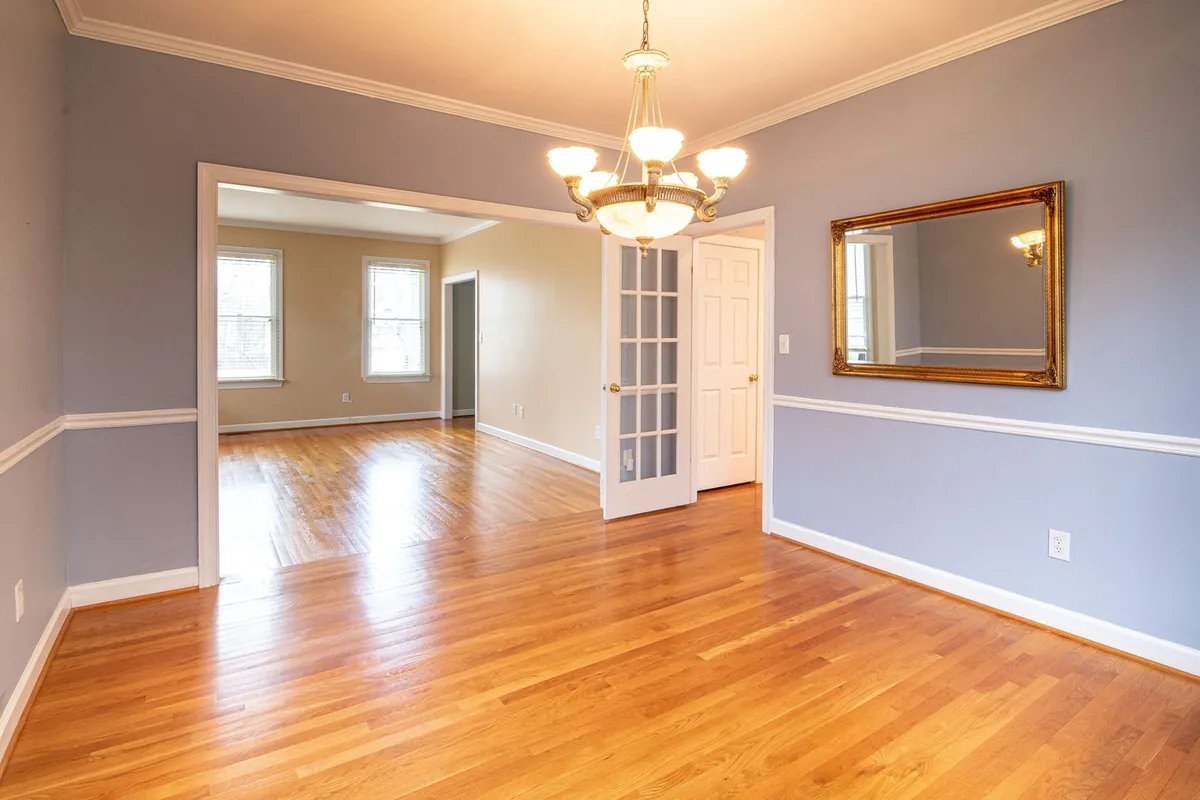
Tear gas cleanup, also called tear gas removal, is the process of finding where irritant particles settled, removing them with the right products and checking that the space is safe to enter again.
Owners in Lone Grove call Lone Grove Biohazard Cleanup Help when irritant residue keeps a property from being used. You get cleanup technicians across Carter County, day or night, who explain each step in plain words.
Only about 27% of households in Lone Grove rent, so most tear gas cleanups are booked by homeowners and their insurers. Whatever the season in Lone Grove, turn off the air system after an incident so it does not spread residue.
The work often covers:
Glass, metal, sealed wood and plastic are cleaned with products matched to the agent.
Crews place protective sheeting and barriers and bring in the equipment and supplies for containment.
Hard surfaces are decontaminated, soft goods are treated or removed and the air system is cleaned.
Filtered air machines clear fine particles, and the crew checks the space before anyone is allowed back in.
Tear gas & pepper spray cleanup in Lone Grove, OK typically costs $1,500 to $50,000, depending on the size of the affected area and the materials involved.
Air system cleaning adds steps, because vents, ducts and filters may need isolation, cleaning or replacement.
| Type of job | Typical range |
|---|---|
| Commercial property | $10,000 - $50,000+ |
| Small apartment | $1,500 - $4,000 |
| Single-family home | $3,000 - $10,000+ |
These ranges come from published cost guides (Tear gas cleanup cost guide) and are not a quote for Lone Grove. Price drivers include property size, air system involvement, materials affected, time since exposure. For a real number, call (877) 812-4220.
Rules for hazardous residue vary by state, county and city. Waste may need special handling and cannot always go in the regular trash. Ask the local health department or fire department what applies.
Tell the landlord or property manager right away. The lease and local law decide who pays. A landlord, an attorney or a tenant rights group can explain.
A small space can be finished quickly, while a whole building, or one where the air system ran, takes longer. The team gives a timeline after seeing the site. Keep the space closed until the work is done.
Cleanup can be done discreetly. Ask about unmarked vehicles and quiet work practices when you call. Crews do not discuss the job with others.
No. Water can spread residue or make irritation worse, and runoff can carry it into floors, walls and vents. Leave the area and keep others out, then call a cleanup team.
Glass, metal, sealed wood and plastic often clean well. Washable fabrics may be saved depending on the agent. Carpet, padding, foam and mattresses are harder, and some must be removed. The crew sorts items with you.
Careful removal of residue that fresh air alone cannot clear.
Call (877) 812-4220